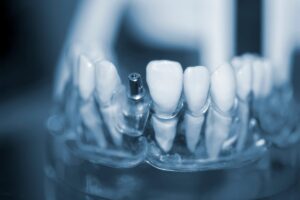
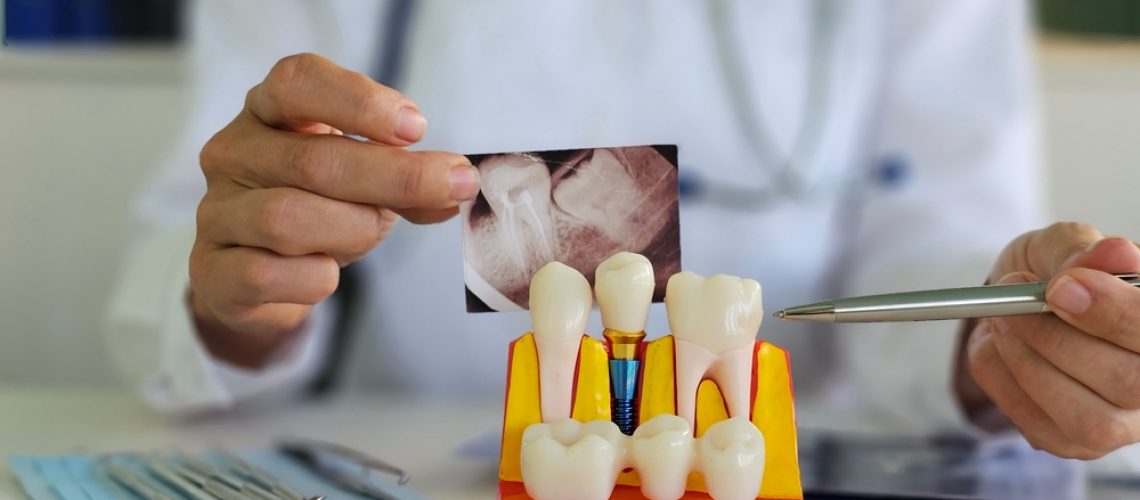
Dental implants are titanium posts placed into the jaw to replace missing tooth roots and support a dental prosthesis. For patients near Marion, IL, knowing common dental implant risks by Marion, IL helps you make safer choices and prepares you for surgery, recovery, and follow-up care. This post covers common risks, who is at higher risk, how risks are reduced, what recovery looks like, and clear next steps so you can feel informed before scheduling an evaluation.
Common dental implant risks by Marion, IL
Infection at the implant site
Infections can occur when bacteria enter the surgical site during or after placement. Typical signs include increased pain, redness, swelling, warmth, or drainage of pus. Early treatment usually involves antibiotics, local cleaning, and close follow-up. Prompt care often prevents the implant from failing.
Nerve injury and altered sensation
Nerve injury can happen if an implant is placed too close to a sensory nerve, most commonly in the lower jaw. Symptoms include numbness, tingling, or a burning feeling in the lip, chin, or tongue. If you notice altered sensation after surgery, contact your surgeon quickly—early evaluation can improve the chance of recovery.
Sinus complications (upper jaw)
Implants in the upper back jaw can sometimes penetrate the sinus cavity. Signs include sinus pressure, nasal congestion, or chronic sinusitis after placement. Most sinus perforations are small and manageable, but larger issues may require surgical repair or a modified treatment plan.
Failed osseointegration and implant mobility
Osseointegration is the process where bone fuses to the implant. Failure to integrate means the implant becomes loose or painful. Causes include poor bone quality, infection, or excessive motion during healing. Treatment options include removing the failing implant, bone grafting if needed, and attempting replacement once tissues have healed.
Who is at higher risk of dental implant risks
Certain health and lifestyle factors raise the chance of complications. These include uncontrolled diabetes, heavy smoking, severe periodontal (gum) disease, low jawbone volume, and certain medications (like high-dose bisphosphonates). Poor oral hygiene also increases infection risk. Patients who have had prior extractions, significant bone loss, or who need bone grafting face more complex treatment and a higher risk profile. A full medical history and imaging help identify these risks before surgery.
How we reduce dental implant risks by Marion, IL
Careful planning and advanced tools lower risks. We use CBCT (3D cone beam CT) scans and digital intraoral scans to map bone, nerves, and sinuses for precise placement. X-Guide® 3D Dynamic Navigation allows real-time guidance to avoid vital structures. PIEZOSURGERY® offers precise bone modification while protecting soft tissue. Platelet-rich fibrin (PRF) supports healing, and Osstell ISQ monitoring checks implant stability during healing. AccuVein helps with IV placement when sedation is used. Our policy is no same-day consult to surgery — we thoroughly review each case. When clinically appropriate, we do same-day extraction with implant placement, but only after careful planning and assessment.
What to expect during recovery and warning signs
Normal healing typically includes mild to moderate swelling and soreness for several days, controlled with prescribed or over-the-counter pain medicine. Soft-tissue care includes gentle rinsing, avoiding smoking, and soft foods for a few days. Most people return to routine activity within a few days but should avoid heavy exertion for a week. Red flags that require immediate contact include persistent or worsening swelling, fever, increasing pain despite medication, drainage of pus, or new numbness that doesn’t improve. Early attention prevents small problems from becoming major ones.
Choosing a surgeon to lower dental implant risks by Marion, IL
Experience and training matter when reducing dental implant risks by Marion, IL. A board-certified oral and maxillofacial surgeon with advanced training and a high implant volume brings skill in handling complex cases and complications. Collaborative care with your trusted general dentist or prosthodontist ensures the final prosthetic restoration fits well and functions properly. Our team serves the Marion area from a Carbondale, IL office about 15 minutes away and emphasizes careful planning, precision technology, and patient communication.
Costs, insurance, and next steps if you’re worried about dental implant risks
Costs vary by procedure complexity — single implants, bone grafting, sinus lifts, and sedation each add to the total. Dental insurance may cover parts of the process but often not the full implant cost; medical insurance may cover related procedures in specific situations. Next steps: obtain current imaging (a CBCT if available), bring a full list of medications and medical conditions, and prepare questions for your consult. A planned treatment timeline and clear cost estimate help you decide confidently.
Other oral & maxillofacial services we provide
We also provide wisdom tooth removal, bone grafting, laser treatment for periodontal disease and failing implants, orthognathic surgery, TMJ care, oral pathology evaluation, and treatment of failing implants. For patients with limited bone, we offer endosteal and zygomatic implant options when appropriate. We work closely with local general dentists to coordinate final prosthetic restorations. Understanding dental implant risks by Marion, IL helps you choose the safest path forward. If you’re concerned about risks or want a detailed review of your imaging and health history, schedule a comprehensive evaluation with our Carbondale oral surgery team. We will review your case, explain options, and build a clear, personalized plan for safer implant care.