At our oral surgery practice in Carbondale, Illinois, we focus on modern, evidence-based care that prioritizes patient safety, comfort, and predictable healing. For many years, opioid narcotics were routinely prescribed after oral surgery procedures such as tooth extractions, wisdom teeth removal, and dental implant surgery. Today, that approach has changed.
Advances in research, surgical technique, and pain management now show that opioids are usually unnecessary for oral surgery pain, especially when care is provided by a trained oral and maxillofacial surgeon.
Evidence-Based Pain Control After Tooth Extraction and Oral Surgery
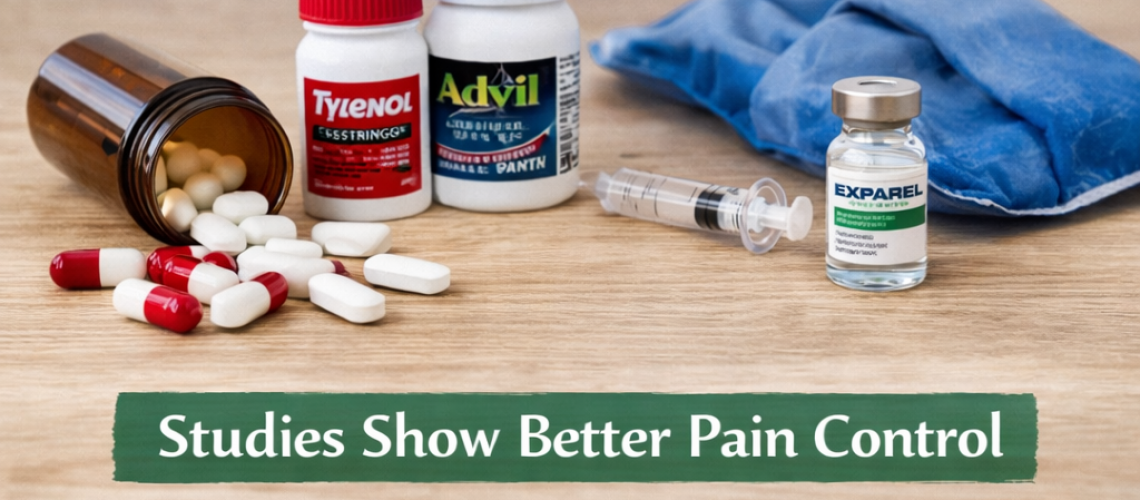
Multiple high-quality studies demonstrate that non-opioid medications provide equal or better pain relief than narcotics after dental surgery. Research published in The Journal of the American Dental Association found that patients who alternated ibuprofen and acetaminophen after wisdom tooth extraction experienced:
- Less tooth pain after surgery
- Fewer side effects
- Better sleep
- Superior pain control during the peak recovery period
Patients prescribed opioid medications such as hydrocodone did not report improved pain relief and experienced more nausea, drowsiness, and constipation. For most patients undergoing oral surgery in Southern Illinois, over-the-counter medications are more effective and safer.
Oral & Maxillofacial Surgery Expertise Reduces Post-Operative Pain
Many oral surgery procedures—when performed by an oral and maxillofacial surgery specialist—result in mild to moderate post-operative discomfort. Oral surgeons complete several additional years of hospital-based surgical and anesthesia training beyond dental school.
This advanced training allows for:
- Precise surgical technique
- Shorter procedure times
- Less trauma to bone and soft tissue
- Reduced swelling and inflammation
Compared to procedures performed outside a surgical specialty setting, patients treated by an experienced oral surgeon near Carbondale, IL often experience less tooth pain and recover more comfortably.
ADA Guidelines Support Non-Opioid Dental Pain Management
The American Dental Association now recommends non-opioid medications as first-line treatment for acute dental pain after tooth extraction and oral surgery. Current guidelines emphasize:
- Using non-opioid medications whenever possible
- Individualized pain management plans
- Shared decision-making between patient and surgeon
- Reducing unnecessary opioid exposure
This approach aligns with the highest standards of modern oral surgery care in Southern Illinois.
Addressing the Opioid Crisis Through Safer Oral Surgery Care
Dental prescriptions are often a patient’s first exposure to opioid medications, especially for teens and young adults undergoing wisdom tooth removal. By avoiding routine opioid prescribing, oral surgeons play an important role in reducing the risk of dependency while still providing excellent pain control.
Our goal is to manage tooth pain after oral surgery effectively—without exposing patients to unnecessary risks.
Modern, Non-Opioid Pain Control Options We Use
Our oral surgery office serving Carbondale, IL and surrounding communities uses a multimodal approach to pain management, including:
- NSAIDs (ibuprofen, naproxen) to reduce inflammation and pain
- Acetaminophen for additional pain relief
- Long-acting local anesthetics placed during surgery
- Targeted nerve blocks to control pain at its source
- Ice therapy and elevation to minimize swelling
For most patients undergoing tooth extraction or dental implant surgery, these methods eliminate the need for opioid medications.
EXPAREL?: Extended Non-Opioid Pain Relief After Oral Surgery
For select patients and procedures, we offer EXPAREL?, a long-acting local anesthetic that provides up to 72 hours of post-operative pain relief. EXPAREL? is placed during surgery and slowly releases medication over several days.
Benefits of EXPAREL? include:
- Reduced tooth pain after oral surgery
- Decreased or eliminated need for opioid medications
- Improved comfort during the first days of recovery
This option is especially helpful for patients undergoing more involved oral surgery or dental implant procedures.
A Safer Standard of Care for Oral Surgery in Southern Illinois
While opioid medications may still be appropriate in rare situations, they are no longer the routine standard of care after oral surgery. Evidence-based, non-opioid pain management—combined with advanced surgical technique and options like EXPAREL?—allows patients to recover safely and comfortably.
If you are looking for an experienced oral surgeon in Carbondale, IL, or need care for tooth pain, our practice is committed to delivering modern oral surgery with a focus on safety, comfort, and excellent outcomes.