If you’re reading this, you’re likely wondering whether upper dental implants are the right choice for you. This guide explains what upper dental implants are, who is a good candidate, the treatment steps, risks and healing, costs and financing, and how our oral surgery team near Marion, IL approaches care. You’ll get clear next steps so you can discuss options with your dentist or our team.
What are upper dental implants?
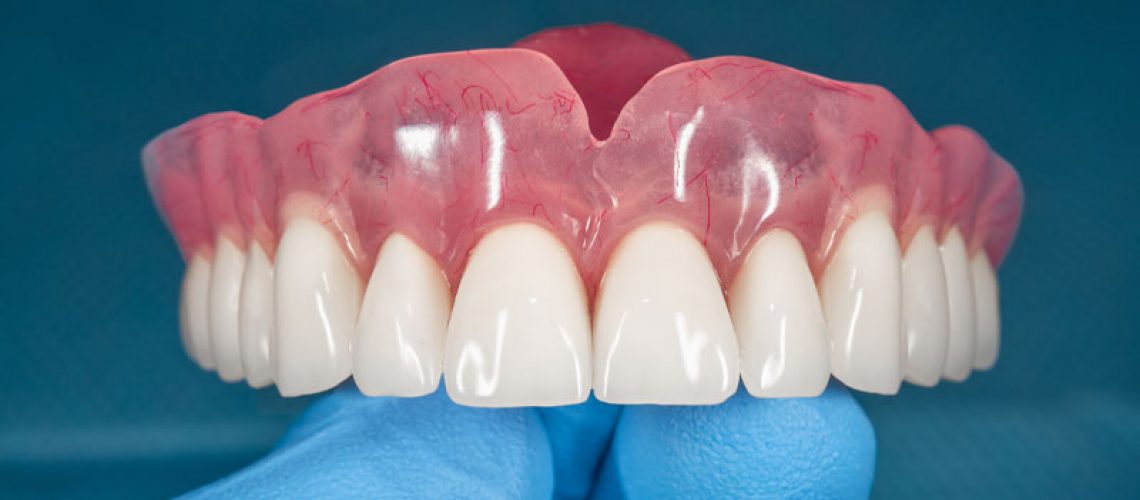
Upper dental implants replace one or more missing teeth in the upper jaw. A typical implant has three parts: the titanium post that goes into the bone, an abutment that connects the post to the replacement tooth, and the prosthesis (crown, bridge, or denture). Implants act like natural tooth roots, giving stability for chewing and a natural appearance.
When people talk about dental implants, they often mean these endosteal implants placed into the jawbone. For the upper jaw, specific anatomy can change the approach, which we cover below.
Are you a candidate for upper dental implants near Marion, IL?
Most adults with missing upper teeth can be candidates, but the upper jaw has unique challenges. We evaluate bone volume, sinus anatomy, medical history, and lifestyle before recommending treatment.
Bone and sinus anatomy
The upper jaw sits under the maxillary sinus. If bone height is low, a standard implant may not reach stable bone. We use CONE BEAM CT (CBCT) scans to measure bone and the sinus location. CBCT imaging helps plan whether a bone graft, sinus lift, or a specialized implant (like a zygomatic implant) is needed for upper dental implants near Marion, IL.
Medical factors and lifestyle
Good overall health and controlled chronic conditions matter. Well-controlled diabetes, quitting smoking, and stopping certain medications when appropriate improve success. Strong oral hygiene and regular dental care are also required. We review medications, medical history, and habits to determine if upper dental implants near Marion, IL are right for you.
Types of upper dental implants (endosteal vs zygomatic)
The most common type is the endosteal implant, which is placed into the jawbone and works for many patients. For severe upper jaw bone loss, zygomatic implants anchor into the cheekbone and can avoid repeated bone grafting. We do not offer mini or subperiosteal implants.
The treatment process for upper dental implants near Marion, IL
Our care follows clear steps. We do not offer same-day consult-to-surgery. Proper review and planning take time and improve outcomes.
Consultation and planning
First, we perform a thorough consult with CBCT scanning and digital intraoral scans. We use 3D navigation planning when indicated. This careful planning reduces surprises and guides precise implant placement. No rushed, same-day consult-to-surgery — your case is reviewed fully before any procedure.
Surgery — implant post and abutment placement
An oral surgeon places the implant post and, when appropriate, the abutment. When conditions allow, we often perform same-day tooth extraction into implant post placement to reduce procedures and speed recovery. The decision depends on bone quality, infection control, and your unique anatomy.
Restoration — working with your general dentist
After healing, your general dentist places the final crown, bridge, or denture. We partner closely with your trusted GP/dentist so the prosthetic matches your bite, appearance, and function. Our role focuses on the surgical placement and bone health; your dentist provides the final tooth replacement.
Risks, healing timeline, and what to expect after upper dental implants
Common side effects include swelling, bruising, and mild pain for a few days. Healing moves in stages: initial soft tissue healing, bone integration (osseointegration), and final restoration. We monitor stability with Osstell ISQ measurements to confirm when implants are ready for the final prosthesis. Contact us if you have increased pain, fever, persistent swelling, or loose implants.
Costs, insurance, and financing for upper dental implants near Marion, IL
Costs vary based on number of implants, need for bone grafts or sinus lift, implant type (endosteal vs zygomatic), and restoration. Ask the team for a written estimate that lists these drivers. We offer patient-centered financing options and can discuss payment plans so you can budget the care you need.
Why choose our oral surgery team near Marion, IL for upper dental implants
We prioritize careful case review — no rushed consult-to-surgery — because your health matters. Our team collaborates full-time with local dentists to ensure the prosthetic phase is done by the clinician you trust. We focus on providing maximum value to each patient, and we serve patients from Marion and nearby counties (Jackson, Williamson, Johnson, Union, Franklin, Perry, and Randolph).
Advanced tech and techniques we use
- Intraoral Scanner (IS 3800W)
- CONE BEAM CT (CBCT) for 3D imaging
- X-Guide 3D Dynamic Navigation for precise placement
- PIEZOSURGERY® for gentle bone work
- PerioLase® MVP-7™ for soft-tissue care
- Osstell ISQ for implant stability monitoring
- Accuvein and Platelet-Rich Fibrin (PRF) to enhance healing
Advanced tech and techniques we use
Patient access and communication
We provide 24-hour service and full-time collaboration with personal cell availability for continuity of care. Our goal is clear, timely communication from consult through restoration.
Other oral surgery services
- Tooth extractions
- Bone grafting
- Sinus lifts
- Zygomatic implants
- PRF therapy
Ask us how these services may tie into your plan for upper dental implants near Marion, IL.