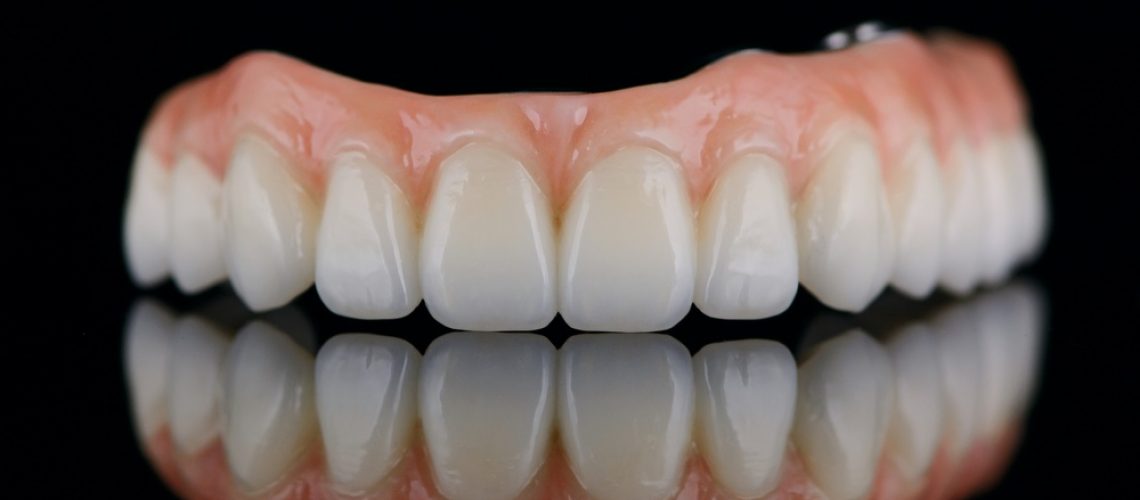
A dental implants treatment plan near Marion, IL is a step-by-step map your surgical team uses to replace missing teeth safely and predictably. A good plan looks at your health history, bone and gum tissue, the position of nearby nerves and sinuses, and the type of final tooth replacement you want. Planning matters because it lowers risks, shortens recovery, and helps the implant last for decades. If you live near Marion, IL, expect a careful exam, modern 3D imaging, clear timing options, and coordination with your general dentist before any surgery begins.
Why a dental implants treatment plan matters
A clear dental implants treatment plan reduces risks and sets realistic timelines. It helps your surgeon avoid nerves and sinuses, choose the right implant type, and decide if bone grafting or sinus lifts are needed. Your medical history, bone quality, and prosthetic goals drive the plan: smokers, diabetics, or patients with low bone density need different approaches than healthy patients with good bone. The result is safer surgery, fewer surprises, and better long-term outcomes.
What a dental implants treatment plan near Marion, IL includes
Comprehensive exam and 3D imaging (CBCT)
Expect a full oral exam plus Cone Beam CT (CBCT) imaging to map your jawbone, nerves, and sinuses in three dimensions. CBCT helps place implants in the ideal position for function and safety and reduces guesswork during surgery.
Digital impressions and treatment simulations
Intraoral scanning replaces messy putty impressions. A digital scan creates accurate models and lets your surgeon show you a virtual plan and simulation of implant placement and final tooth position before surgery.
Medical review and anesthesia planning
Your health history, current medications, and any cardiac or bleeding concerns guide anesthesia choices. Office-based sedation and IV options are available when appropriate; tools like AccuVein help make IV access easier and more comfortable. Note: a same-day consult-to-surgery is not performed — proper review and planning must happen first.
Bone and tissue assessment; implant type decision
The plan evaluates whether you need standard endosteal implants or, in rare cases of severe upper jaw bone loss, zygomatic implants. If bone is insufficient, the plan may include bone grafting or a sinus lift to create a stable foundation for the implant.
Timing: staged care vs same-day extraction to implant post placement
Many patients can have a tooth removed and an implant placed the same day when conditions allow, but that still follows a reviewed and approved plan. Immediate placement is common, but there is never a rush from consult to surgery; staging and review matter for your safety and long-term success.
How advanced tech shapes your dental implants treatment plan near Marion, IL
Advanced tools make planning and surgery more precise. Cone Beam CT gives three-dimensional bone detail; the Intraoral Scanner (IS 3800W) captures exact tooth and gum anatomy. X-Guide® 3D Dynamic Navigation provides real-time tracking during placement so the implant follows the planned path exactly. PIEZOSURGERY® allows delicate bone work while protecting soft tissues. Platelet-Rich Fibrin (PRF) uses your own blood to speed healing. Osstell ISQ measures implant stability during healing so timing for the restorative phase is evidence-based. For periodontal issues or failing implants, PerioLase® laser therapy can support tissue health and recovery.
What to expect during surgery and recovery
On surgery day, arrive with a driver if you’ve had sedation. After a brief check-in and IV placement if needed, guided implant placement is performed with local anesthesia and optional sedation. The use of navigation and guided guides means smaller incisions and precise positioning. Typical immediate recovery includes swelling and mild discomfort for 3–7 days. Follow-up visits check healing and measure implant stability with the Osstell ISQ. You’ll get dietary guidance (soft foods initially), oral hygiene instructions, and clear signs to report (fever, severe pain, or heavy bleeding).
How restoration works and our collaboration with your dentist
The surgical practice places the implant and monitors healing but does not provide in-house crown services. Once the implant has integrated, we work closely with your general dentist or a prosthodontist to deliver the final prosthesis. Communication and timing are coordinated so your dentist receives the implant data and timing needed to fabricate and place the permanent tooth when the implant is ready.
Choosing an oral and maxillofacial surgeon near Marion, IL — what sets careful care apart
Choosing a surgeon means looking for experience, technology, and patient-focused care. Our Carbondale office is about 15 minutes from Marion and emphasizes precision-driven implant surgery with thorough reviews before any procedure. We value patient-centered care, full-time collaboration with referring dentists, and 24/7 cell phone access for urgent questions. Our team places hundreds of implants yearly and focuses on safety over rushing consults to surgery.
Other oral surgery services to know about
In addition to implants, the practice provides wisdom tooth removal, bone grafting, laser therapy for periodontal disease and failing implants, orthognathic (jaw) surgery, TMJ care, and oral pathology evaluation.
Next steps for patients near Marion, IL
To prepare for a consult, bring a list of medications, your medical history, and any recent dental imaging if available. Understand that careful review matters: there is no same-day consult-to-surgery. Contact the office to schedule a coordinated consult with your general dentist so your dental implants treatment plan near Marion, IL is safe, thorough, and tailored to your long-term oral health.